
Secondary
Case study
Increasing Demand for Patient/Provider Communication
At the time of the COVID-19 outbreak, patients needing care were affected by lockdowns, closures, and a lack of available health care.
Study Overview
At the time of the COVID-19 outbreak, patients needing care were affected by lockdowns, closures, and a lack of available health care.
The role of telemedicine, the use of telecommunications technology to provide health care services remotely, has emerged as a game-changer in the medical industry. It has allowed our providers to continue preventing, diagnosing, treating, and controlling diseases during the COVID-19 outbreak. But was there a cost?
This article explores two studies that outline the impact of the pandemic on health care providers and how AdventHealth's Care Advocacy Program balances the increase in demand for telehealth.

Demand for Telemedicine Increases
Across the country, medical care providers and ambulatory clinics quickly adapted to lockdown measures by utilizing telemedicine services to continue the care and treatment of their patients. Although rapid, this sudden shift to telemedicine was largely successful and perceived favorably by patients, 17 – 20 it continues to be a part of routine clinical care in most practices, despite the relaxation of lockdown policies.
Telemedicine video visit adoption accounted for approximately one-third of all clinical visits in the year following the lockdown.
Telemedicine significantly benefits our health care providers as well. Virtual consultations eliminate the need for providers to spend time commuting between different clinics and hospitals. This time efficiency translates to an increased number of patients that can be attended to within a given timeframe.
With its numerous benefits and advantages, telemedicine has undoubtedly transformed the health care landscape; however, as with any technological advancement, certain challenges accompany the benefits.
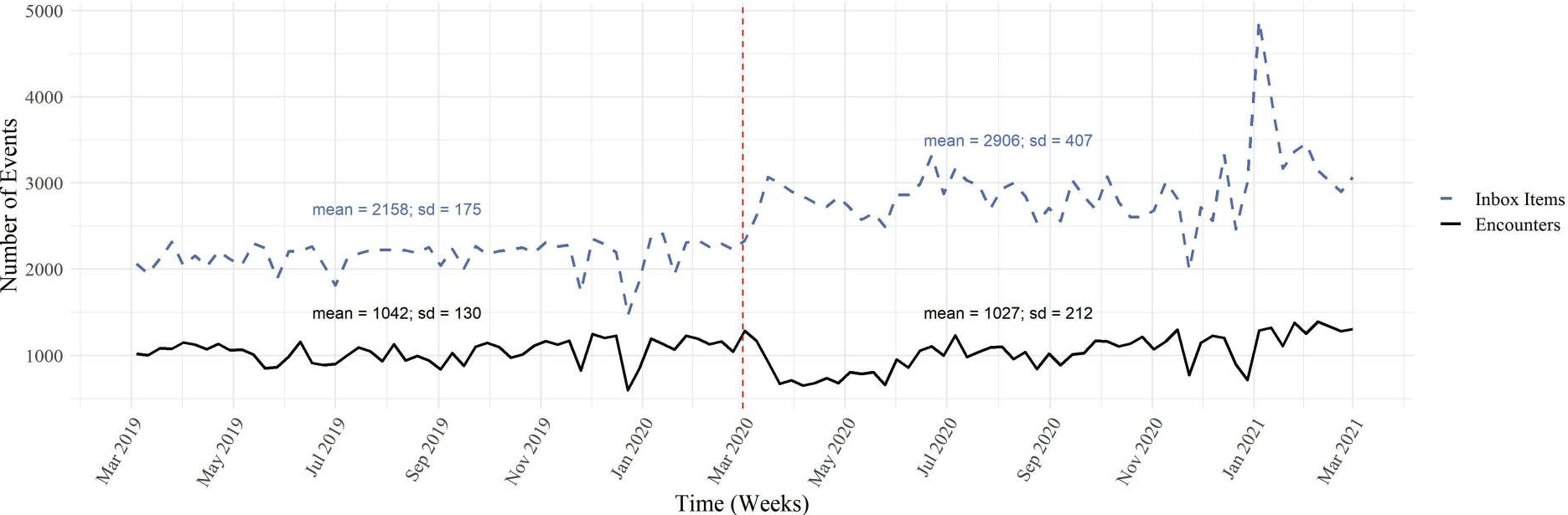
A published study exploring the impact of the COVID-19 pandemic on electronic communication between patients and care providers found that direct messaging between the two parties increased and maintained that elevated rate post-pandemic. The study reports that this increase in direct electronic messaging is a contributor to the burnout experienced by care providers.
Live Chat Assistance and Trust
Additionally, this study explored consumers' feelings toward live chat assistance in the travel industry. They found a significant relationship between the usefulness of live chat communication with an online travel representative and positive attitudes toward the website.
Consumers’ interactions with chatbots mainly result in shorter conversations and messages due to the limited ability to have extended goal-directed discussions. Conversely, live chat services offer the advantage of providing a more online ‘human touch’ as the conversations held by human representatives are often more customized.

Communication with a service assistant through a live chat system positively influences customers’ attitudes towards the website, believing that it is a good idea and a pleasant experience when using the website.
The findings illustrate the role of the human social cues conveyed by live chat facilities, namely, human warmth, human assurance, human attentiveness and human customized content, in positively moderating this effect.
"The perceived usefulness from the communication with a human live chat assistant positively influences customer attitudes and trust towards the website as well as increasing conversion intention.
Care Advocacy, an “Angel In My Pocket”
Perhaps these findings can translate to the continuing success of AdventHealth by way of our Care Advocacy program . If our patients can feel those same emotions, how could those feelings of trust, warmth, and assurance benefit their level of care while also benefiting providers?
Care Advocates are special members of our team who help connect patients with our services and providers. When connected to the AdventHealth ecosystem, a Care Advocate will work alongside our patients and their providers to make sure they get their questions answered as quickly as possible through live messaging. They can reschedule an appointment, check on a refill, and even ask for a referral.
Care Advocacy not only has the potential to bring a delightful experience to our patients due to the appreciation of human chat interaction (as supported in research for the travel industry ), but it can also provide a lending hand to our own care providers who are struggling to keep up with the increasing demands of telemedicine visits.
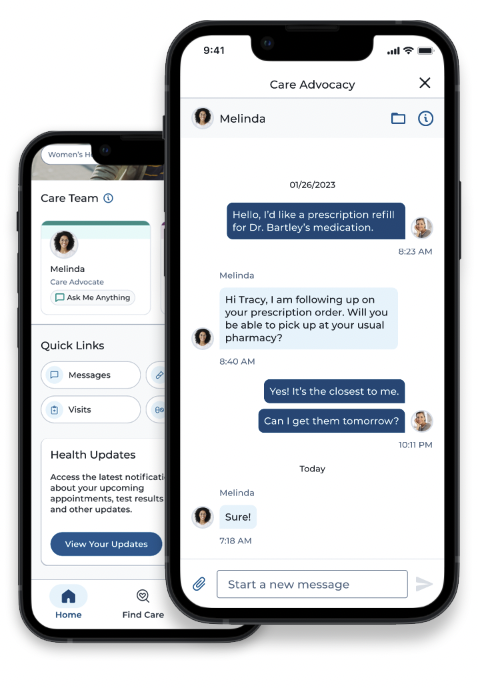
With our Care Advocates available to communicate personally with our patients via live chat, we can offload the weight of digital messaging with providers that have overwhelmed our providers and help reduce their burnout. Care Advocacy can help bring a sense of wholeness to the patients and care providers we value as a health care organization and help us continue our mission to extend the healing ministry of Christ
Contact
Want to talk through the Provider Communication and Messaging report?
The findings, research choices, or the decisions this work informed — happy to get into any of it.
A good conversation is usually the best start.